The latest addition.
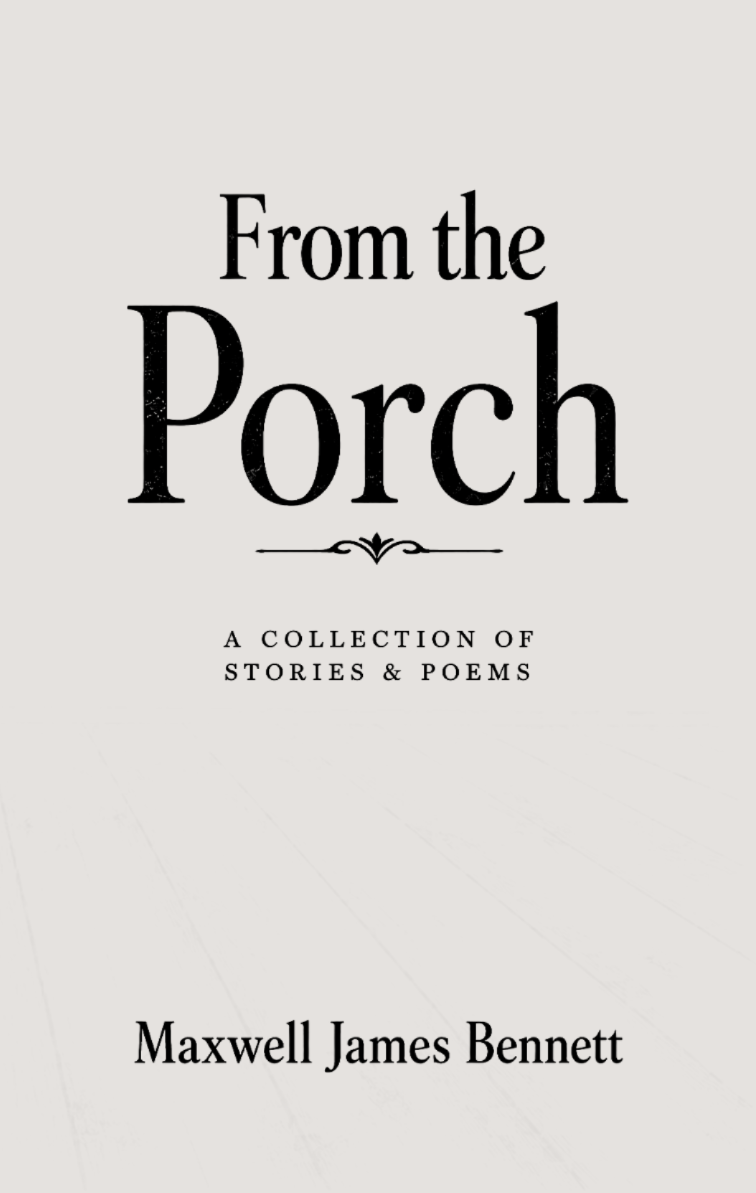
From the Porch
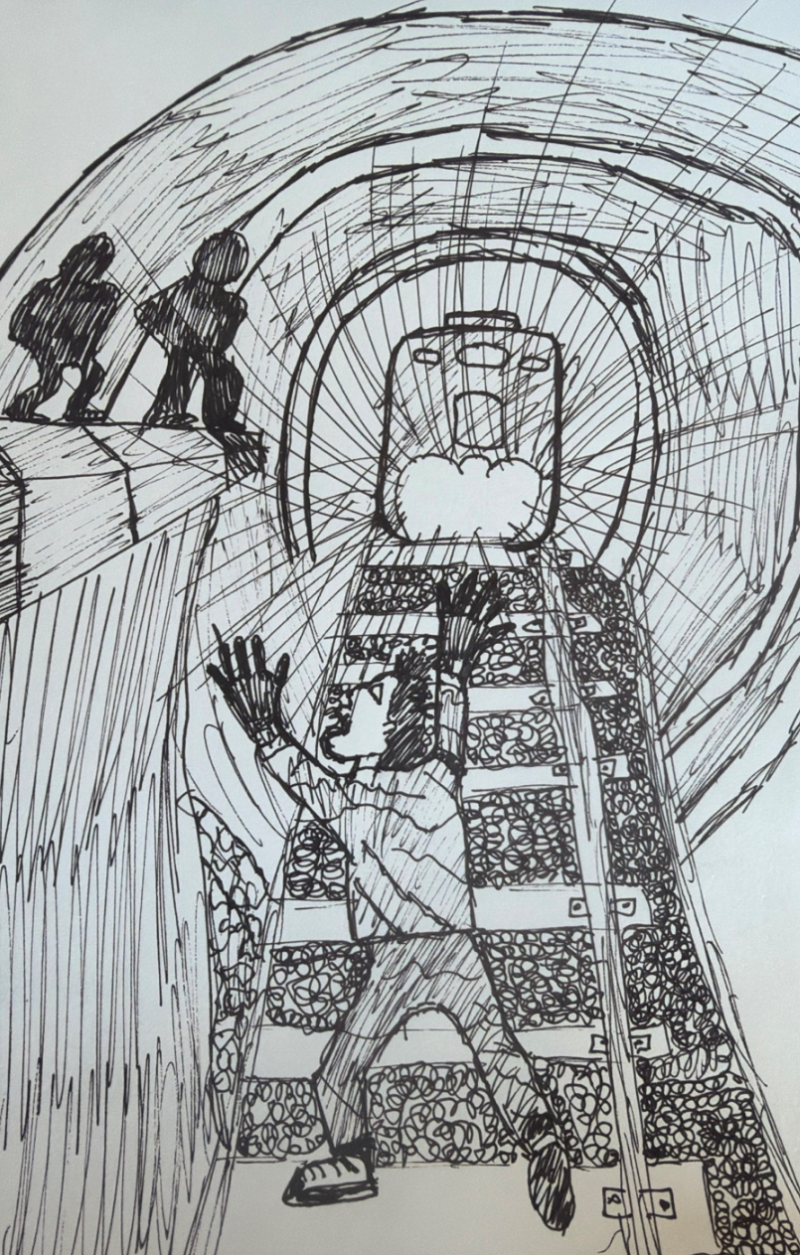
A detective puzzled by a grisly crime.
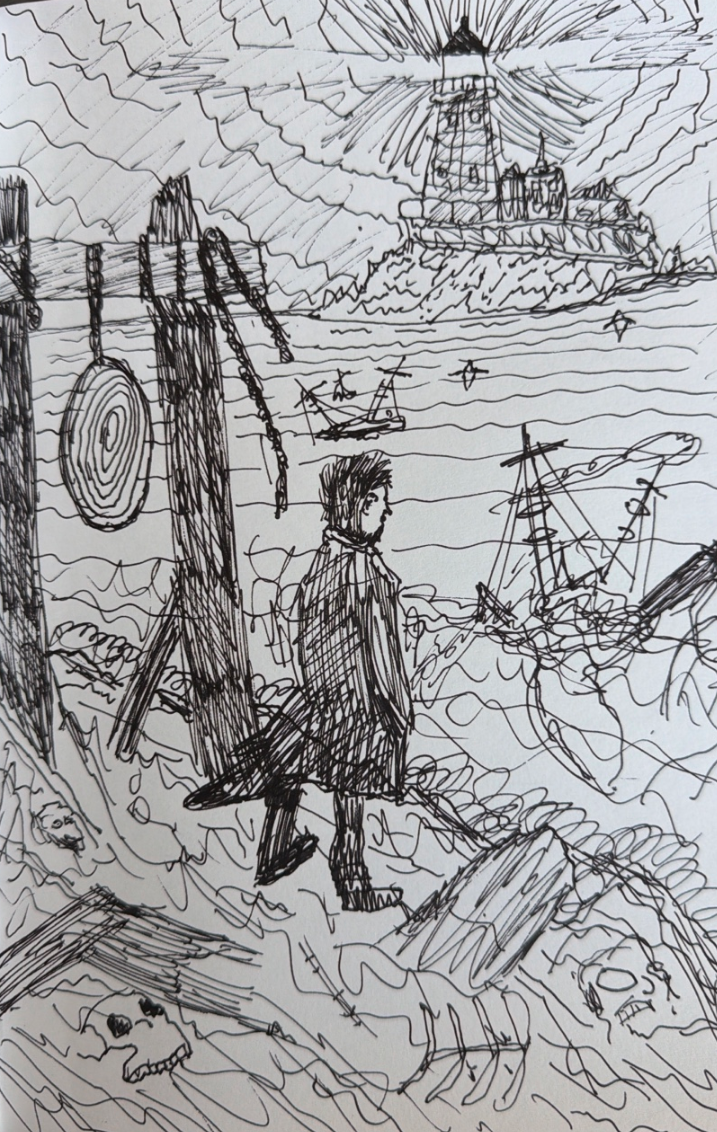
A lighthouse keeper obsessed with a distant light.
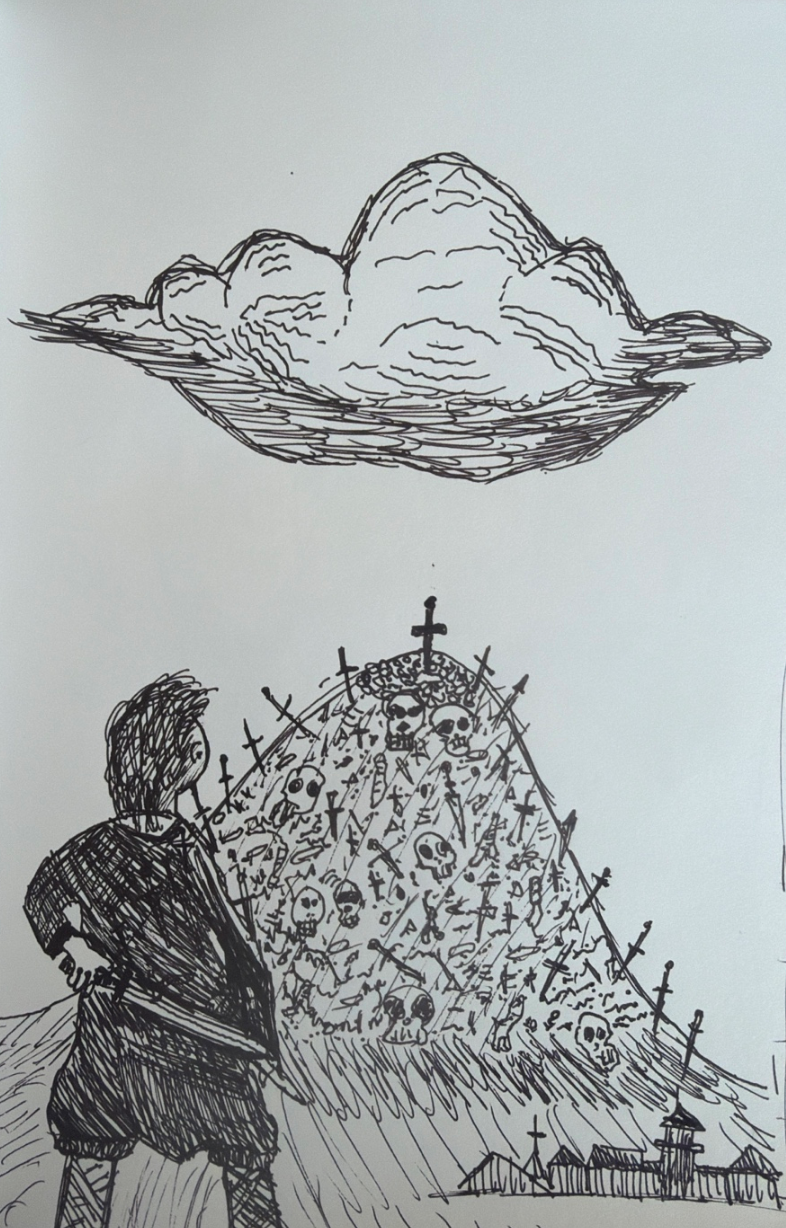
A man who envisioned a royal palace, now standing just outside of it.
From the Porch is a haunting and philosophical collection of stories and poems that invites readers to step onto a metaphorical porch and look outward.
Through 15 works of fiction and poetry, Maxwell James Bennett moves through horrors, histories, and allegories that touch on violence, beauty, faith, society, memory, and the quiet distance between what we love and what we outgrow. Lighthouses, villages, factories, castles, and fractured histories become places of meditation, each one asking the reader to sit with an idea until it becomes strange, vulnerable, and alive.

Behind the Book: A Short Q&A
What was the first idea that became From the Porch?
The first idea was probably “Neuschwanstein.” I was visiting the castle when I fell in love with the area surrounding it. It felt strange, but also familiar, almost as if I already knew the place. In the days that followed, I wrote the first half of the story that appears in this book.
That piece played a large role in shaping the kind of book From the Porch would become. I wanted to find more stories that carried that same feeling, and finishing “Neuschwanstein” became a full-circle moment. “Fields of History” was another early piece. I had a few lines stuck in my head, along with the main action and climax, long before I finally sat down and wrote it fully. Those two stories were really the beginning, nearly five years ago.
Why the porch?
From the Porch began as a fill-in title while I searched for the real one. I could not find anything that worked, and I hated anything that sounded too gimmicky. Then one day, I was literally sitting on a porch with a good friend of mine. We used to share thoughts there about anything, really, and I remember suddenly recognizing the space we were in: the comfort of being on the porch, but also the connection it gives you to everything happening outside.
The porch became the perfect image for the book. It is a kind of liminal space, attached to the safety of the house but still facing the world. In a way, the title is a homage to those conversations on my friend’s porch, but also to all the porches I have known. Porches are distinct places where stories are told. I have many fond memories of sitting with different people in my life and listening to them talk, and that connection to story felt right for this collection.
How is this book different from Until Love Tells Me So?
This book is very different from Until Love Tells Me So. In many ways, that first book was me letting out emotions I had kept inside, and doing so in a public way for the first time. From the Porch still carries some of that, but it also feels like a creative and personal palate cleanser.
This book is not only about the past. A lot of what I touch on here feels very much like today, or even tomorrow. There is always a natural pull to look back, but life goes on. In many ways, this book is about trying to tread water and stay above the wake.
Did this book change how you see yourself as a writer?
In many ways, this book was me trying to figure out how to write fiction, and how to keep a story going after the first spark. It was challenging to create new worlds, stay with them, and find my voice inside them. I will not say I found it perfectly in every piece, but I do think this book was a major step for me as a writer.
I learned a lot from making it. By the end, I felt hungrier to tackle something new again. This book proved to me that I could write something not centered entirely on poetry or the self, and I look forward to seeing what comes next.
What do you hope readers carry with them?
I hope someone who reads this book takes some part of a story, or some part of the whole collection, and sits with it. Maybe they store it somewhere in their mind, and when the time is right, it helps them answer a question they already had. Or maybe it brings them a little closer to answering one.
The Evolution of the Illustrations
as told by Maxwell James Bennett
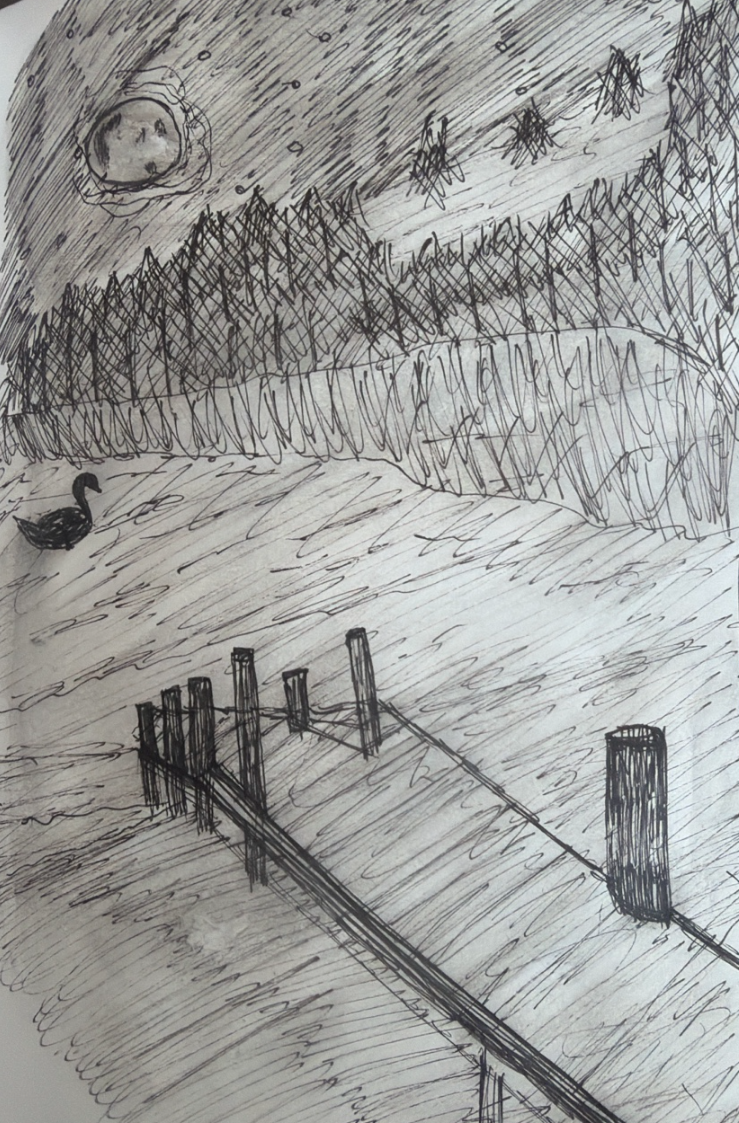
Originally, I had no intention of including drawings in From the Porch. While researching similar books, however, I noticed that the books which stayed with me often paired their stories with illustrations or visual elements that gave the reader something else to return to. I began storyboarding scenes to see what images might accompany the stories.
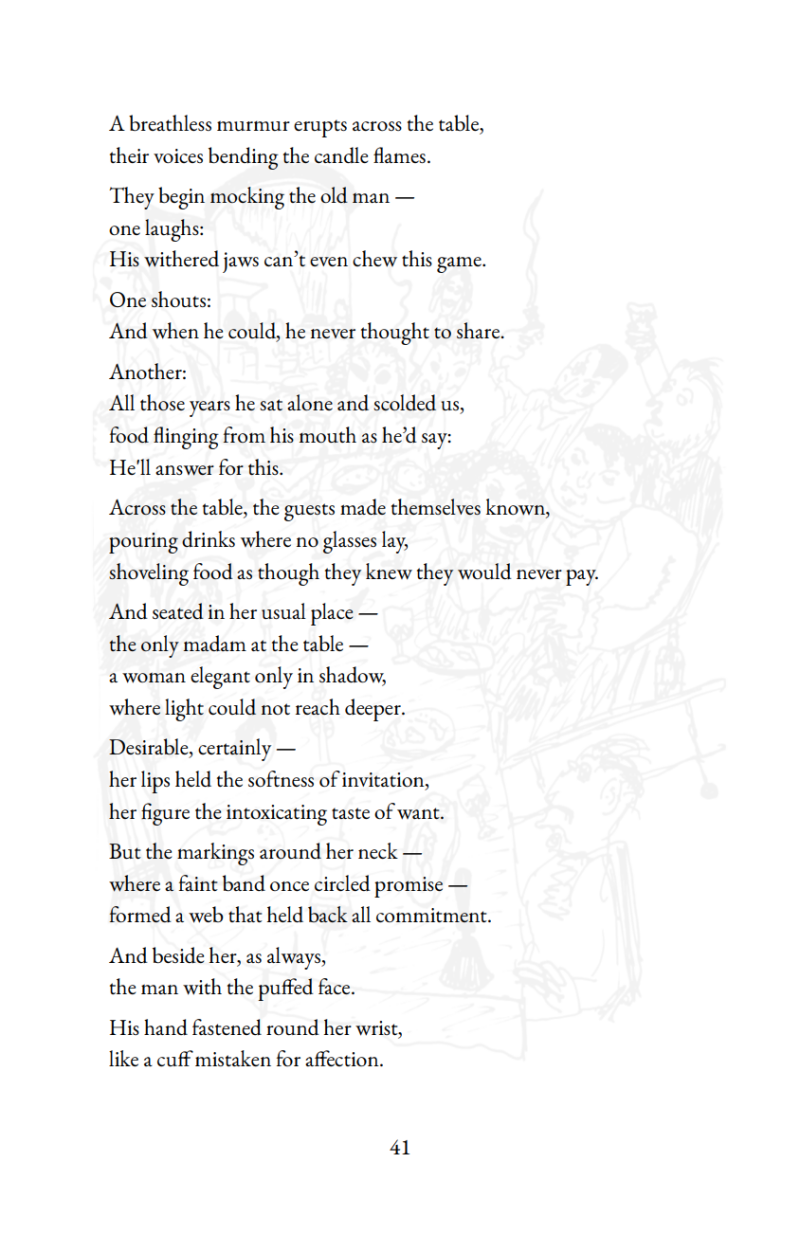
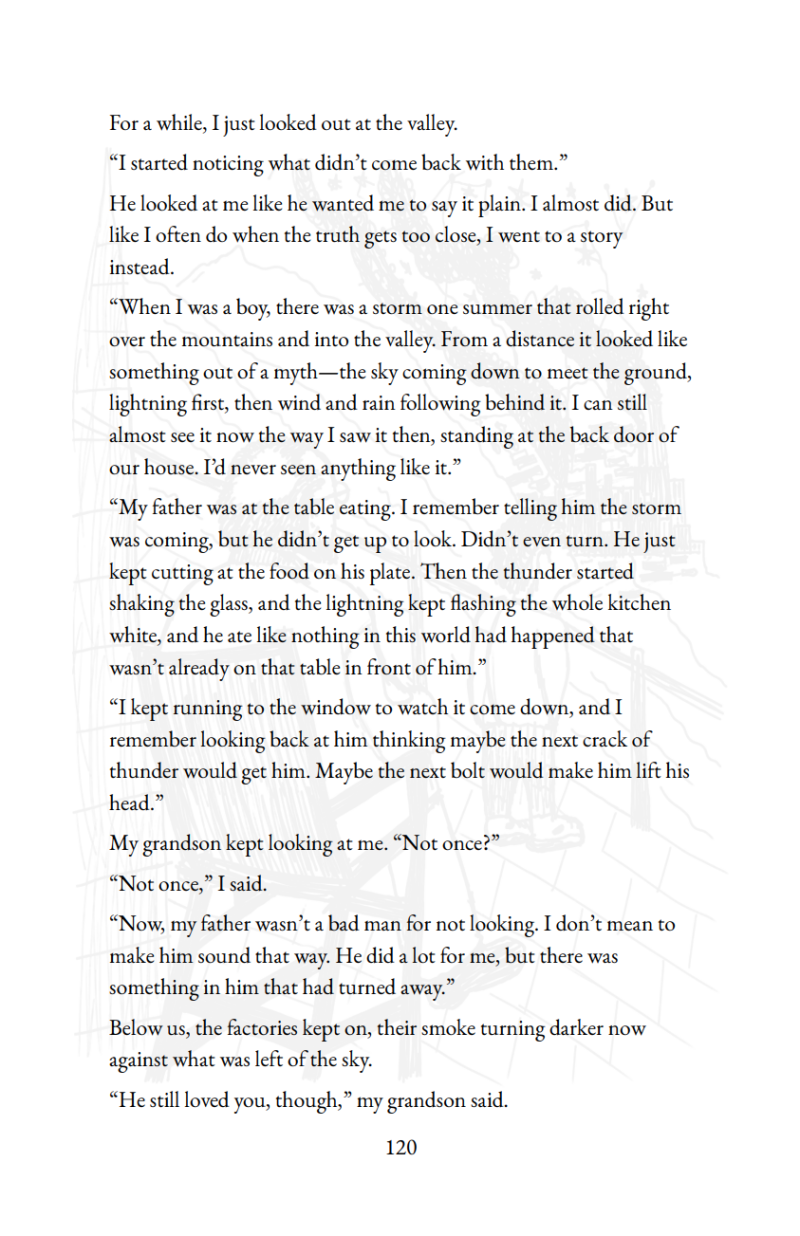
My original ambition was to create a unique illustration for every page in the collection. As the book unfolded into fifteen stories and poems, I quickly realized I neither had the capacity nor the talent to produce a finished drawing for every page. Instead, I settled on creating illustrations for a handful of pieces and focused on capturing the feeling of the story rather than documenting every scene.
To begin, I bought drawing and painting supplies and spent time watching tutorials and experimenting with different techniques. Most of what I produced was awful. Every style I tried felt muddled and disconnected from what I imagined the book to be. Eventually, I remembered that when I first envisioned many of these stories, they appeared in my mind almost like pen sketches. In my journals, I sometimes pass time tracing the outlines of objects around me, and in doing so I naturally distort them into strange and imperfect versions of themselves. Rather than fight that tendency, I decided to embrace it.
Many of the illustrations began by looking at ordinary photographs, places, or objects and allowing my own limitations to reshape them. The result was not realism, but something closer to the way I imagined the stories themselves.
I am not much of a drawer, and truthfully, I did not always enjoy the process at the scale this book required. Still, for reasons of practicality and creative integrity, I did not want to outsource the illustrations to another artist or to artificial intelligence. If the book was going to contain drawings, I wanted them to come from the same hand that wrote the stories.
The drawings were altered only minimally after their original creation. Some software was used to enhance shadows, restore image quality, or prepare them for print, but the illustrations themselves remained my own.
By the time the book was finished, I realized the illustrations added a layer to the collection that I had not anticipated when I began. They became part of the world of the book rather than decorations attached to it. Though they added a considerable headache to the process, I am glad I stuck with them.
No image represents that journey more than the lighthouse. It was the first illustration I created and accompanies the opening story. More than any other drawing in the collection, it captures what I hoped the book would be from the beginning: imperfect, searching, and always looking toward a distant light.


Gallery of Sketches







Create Your Own Website With Webador